Elevators are turning into power generators – here’s how.

Elevators are turning into power generators – here’s how.

Elevators are turning into power generators – here’s how.

In the quest to do density well, the focus of asset owners and facility managers has shifted from how high we can build to how efficiently those buildings can operate over their lifespan.

In recent discussions with asset owners, common challenges emerge: reducing carbon footprints and combating escalating energy costs. While vertical transport consumes energy, it also generates energy. If that energy is simply lost as heat during operation, an opportunity is lost as well: to have a positive impact on sustainability measures and operational costs.

This regenerative power of elevators is one aspect of modernisation.

We are no longer just replacing worn-out parts like for like; we are fundamentally changing how a building consumes and recaptures energy. The introduction of KONE regenerative drives reduces your carbon footprint and energy costs by converting excess energy from braking into electricity.
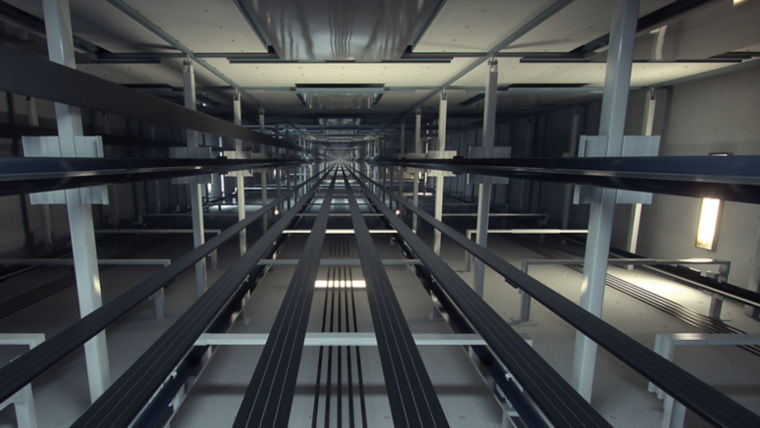
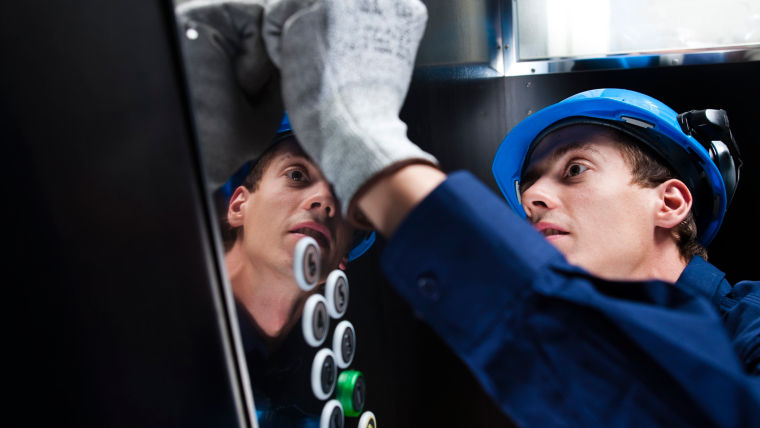
Capturing energy and reducing costs

Traditional elevator braking systems dissipate excess energy as heat.

KONE regenerative drive technology captures and reuses energy that would otherwise be lost during braking.

The elevator's braking energy is fed back into the building's power grid to power other operation

Upgrading an existing elevator instead of replacing it entirely can reduce embodied carbon emissions by 78% and significantly reduce waste.*

Capturing energy and reducing costs

Energy_efficiency:760x428%2816-9%29

Consistent energy recapture

When an empty elevator car is ascending, it weighs less than the counterweight, and braking is needed. The excess energy from braking is converted into electricity.

Modernization_Service_Technician1:760x428%2816-9%29

Peak elevator efficiency

At half capacity, the elevator and counterweight are balanced, requiring virtually no energy to move.

KONE_24-7_OFFICE_CLIENT_high_res:760x428%2816-9%29

Excess energy from braking into electricity

When a full elevator car descends, its weight exceeds that of the counterweight, and braking is needed. The regenerative drive converts the excess energy from braking into electricity.

The impact

Regenerative technology recovers up to 40% of an elevator’s energy consumption**.

This power is returned to the building grid for use.

This boosts a building's green credentials and reduces operational costs.

Energy savings increase with building height.

Doing density well: a modular approach to modernisation

Modernisation is not an all-or-nothing proposition. For many properties, partial modernisation solutions are a spearhead to improve efficiency. A KONE Upgrade specifically targeting electrification and signalisation, which includes a brand-new controller and electrification system, improves reliability and energy efficiency.

This modular upgrade can be fast, with downtime starting from only one week.

Through modernisation, we are able to reduce elevator energy consumption by up to 70%.

By modernising with smart, energy-regenerating technology, we give existing buildings the agility to handle higher densities, more frequent trips and an increasing need for sustainability.


* Calculations based on environmental product declaration (EPD), verified by third-party. A MonoSpace® upgrade was used in this calculation. Link

**Eco-Friendly Elevator Systems: How KONE is Leading the Way in Sustainable Vertical Transport

Cookies

This site uses cookies in order to provide you with the best user experience. You consent to the use of cookies by continuing the use of the site without changing your browser settings. You can change your browser settings and preferences at any time. For further information on cookies, please see our privacy statement.